
Chips & Memory
Micron’s HBM4 ramp shows why autonomy needs more than a faster chip
The memory beside the processor helps determine how much an AI system can remember, how many tasks it can serve, and what each task costs.
Explore the October 2026 opening collection. New stories will appear here as they are published.
The memory beside the processor helps determine how much an AI system can remember, how many tasks it can serve, and what each task costs.

A new generation of accelerators also changes cooling, software, networking and the work needed before an agent can run reliably.
Agentic and end-to-end benchmarks broaden the evidence, but a leaderboard still needs to be read against the job a buyer wants done.
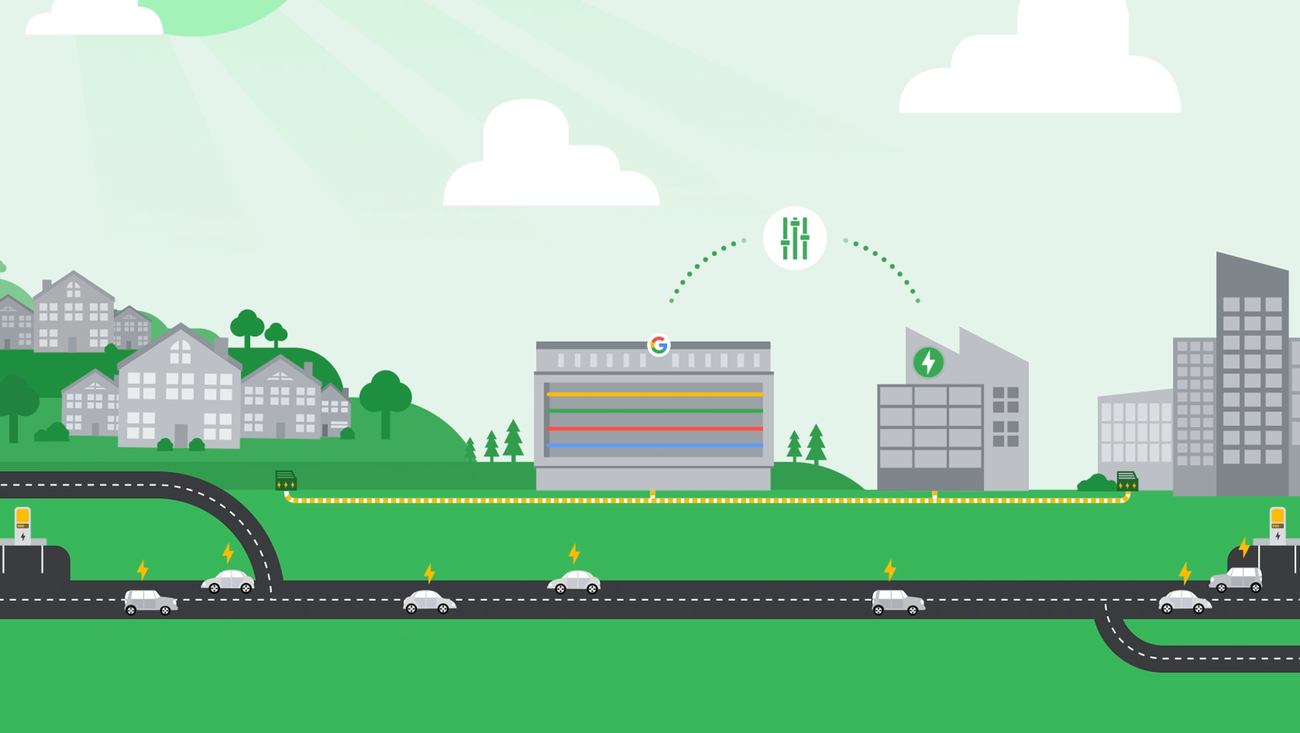
New generation, storage and demand flexibility are becoming part of the product plan for companies that want to operate AI at scale.
Demand response could make large computing loads easier to accommodate, provided the promises match the actual workloads.
Forecasts help explain the scale of the buildout, but mixing scenarios, geography and measured demand can distort the story.
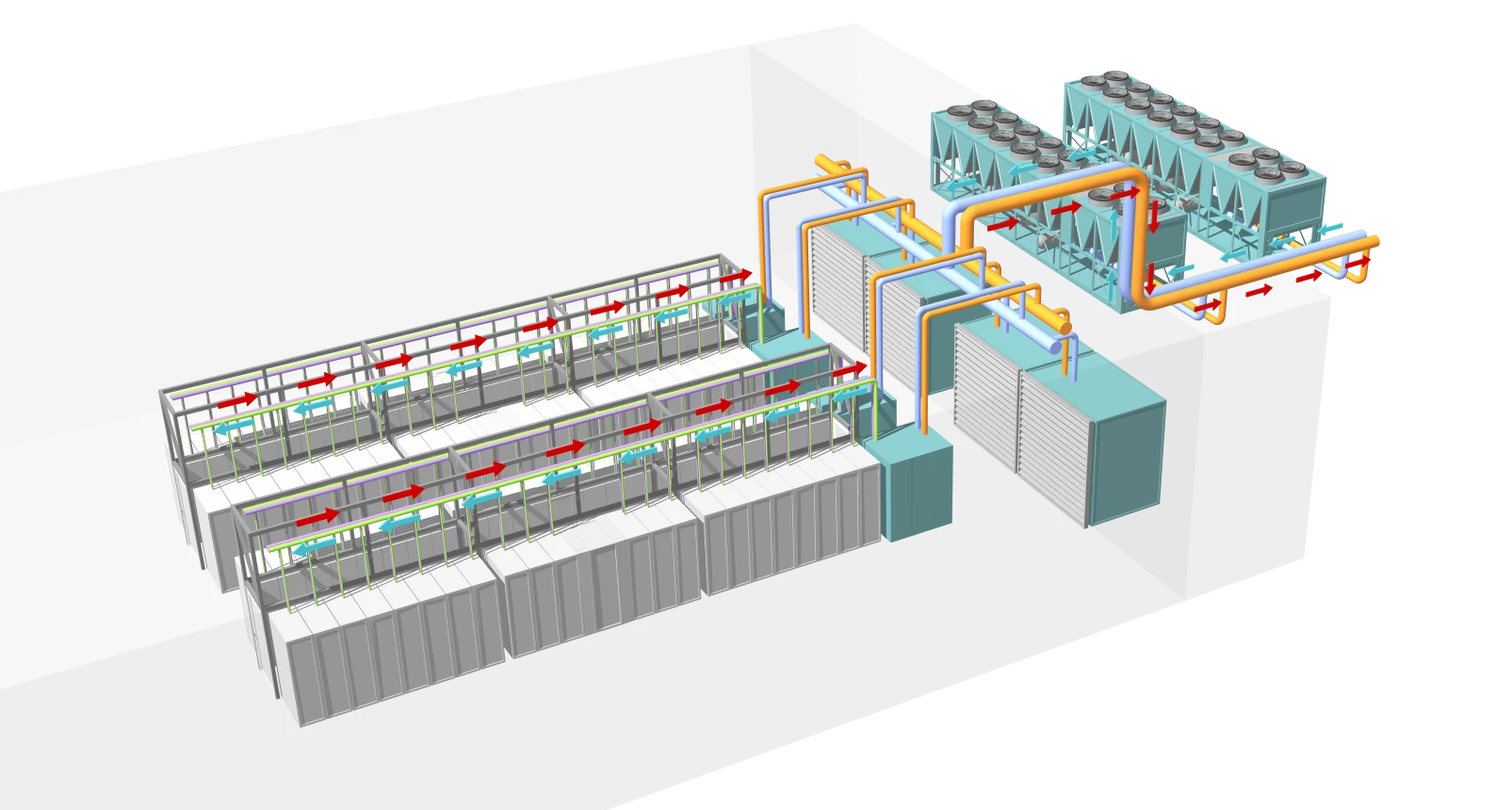
A design that avoids evaporating water can still raise questions about noise, electricity and the place where the computing happens.
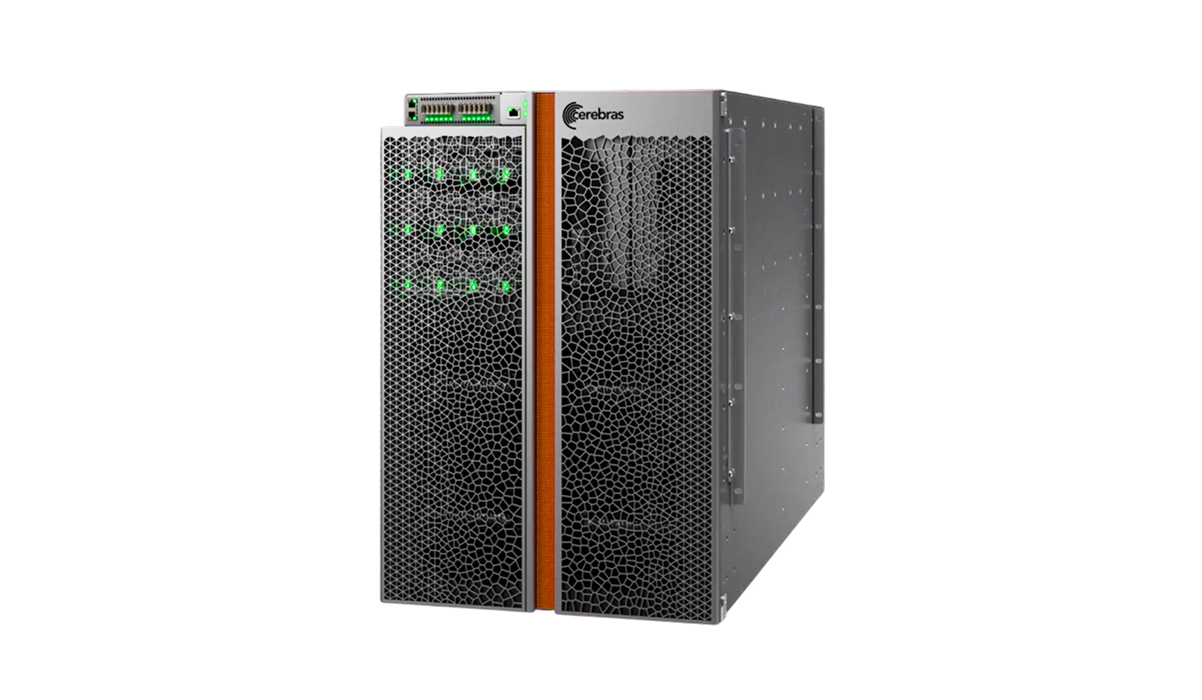
A large computing commitment creates demand, but useful capacity arrives only after hardware, power, software and customer acceptance meet.
The server, its cooling loop and the building are becoming harder to buy as separate decisions.
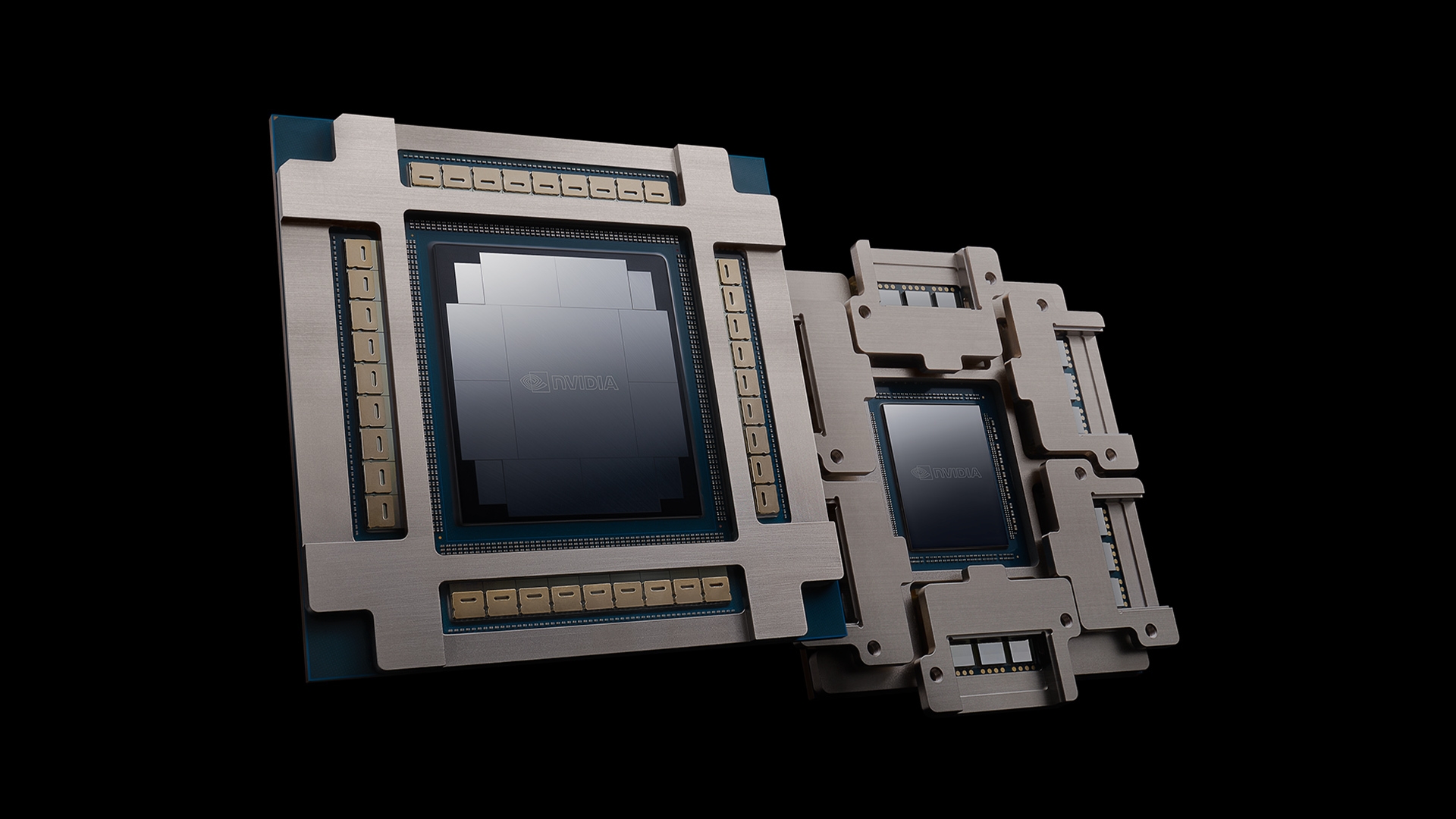
Larger AI systems need to move information as well as calculate. Optical networking changes where the engineering and investment must go.

On-device computing can reduce dependence on the cloud, but power, heat and timely decisions still define useful autonomy.
Product availability and update tools are only the beginning of keeping autonomous machines consistent in the field.
Fast inference can make autonomous workflows more useful. The savings depend on the rest of the job, including retries and review.
A multibillion-dollar computing plan can secure room to grow, but the capacity still has to arrive and be used productively.
Better chips and software reduce the cost of individual tasks. More users and more demanding autonomous workflows can push total consumption higher.