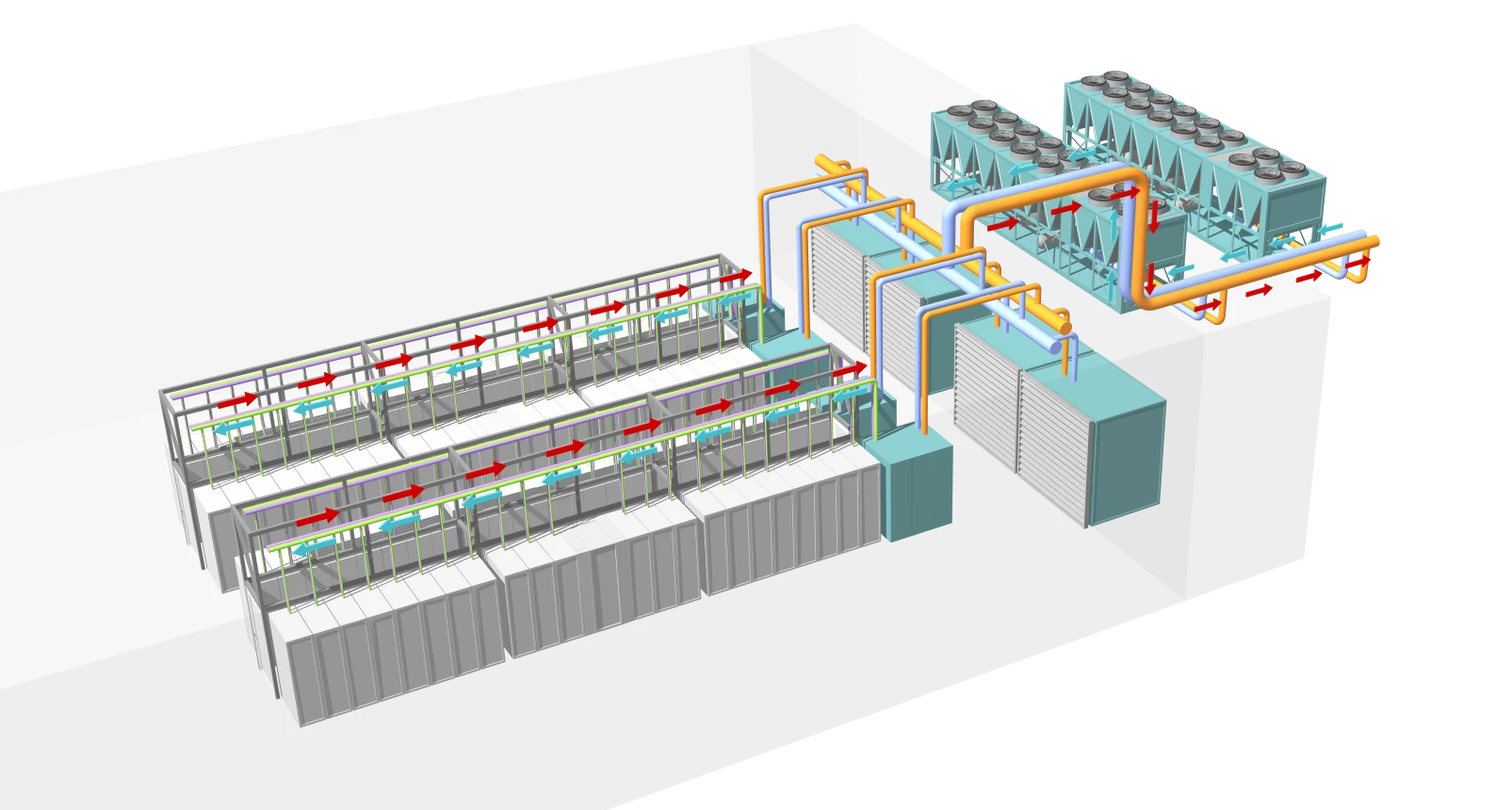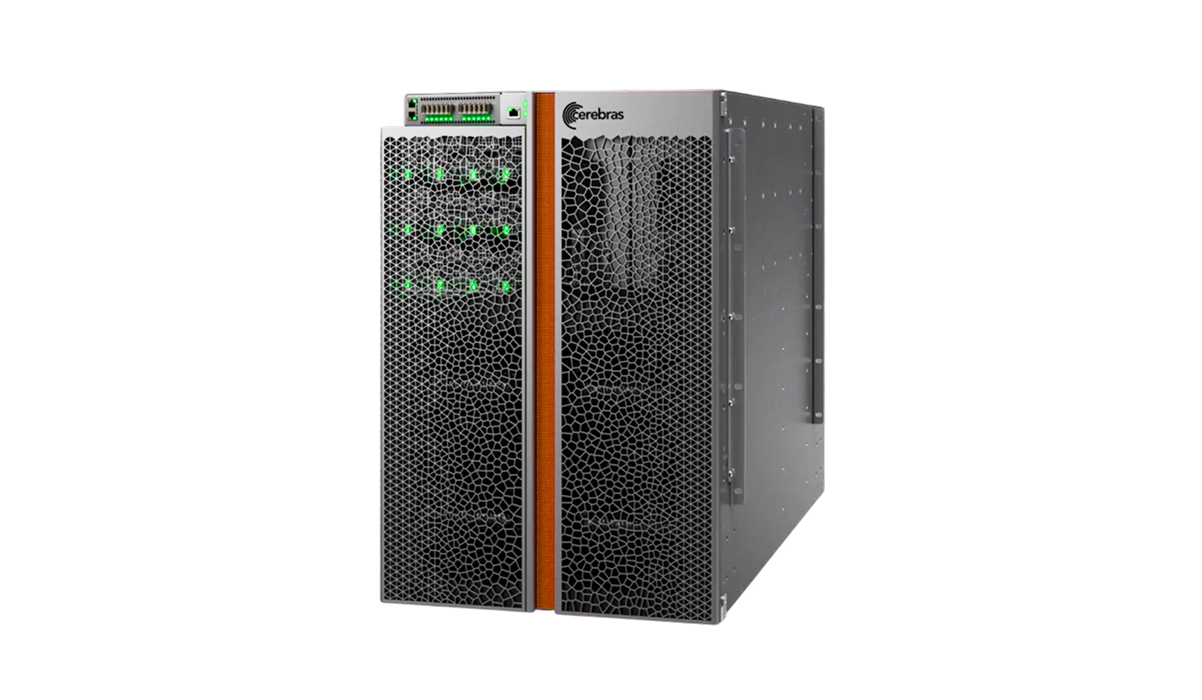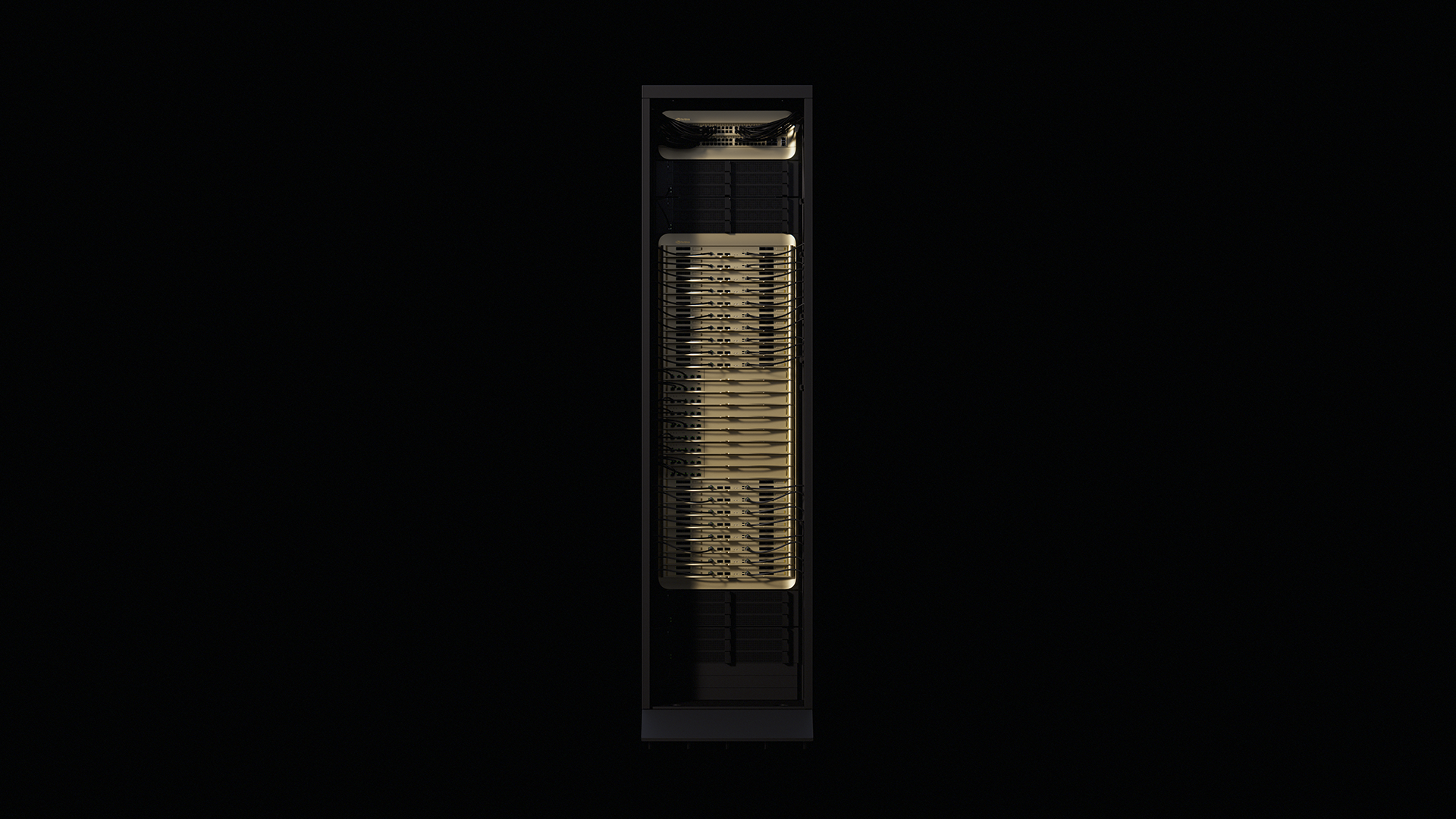
NVIDIA’s July 2026 description of Vera Rubin highlighted a computing tray without the cables, fans and hoses associated with earlier designs, supported by liquid cooling. The company’s account presents this as part of a coordinated approach to performance and assembly. For customers planning autonomous AI services, the consequence is broader than a tidier server: the rack and the facility increasingly have to be designed together.
The attraction of dense computing is that more work can fit into a smaller physical footprint. The difficulty is that the work still requires electricity and produces heat. A smaller footprint does not automatically mean an easier installation. It can concentrate engineering requirements at the point where the computing equipment meets the building.
The unit of purchase is getting larger
NVIDIA’s Vera Rubin product overview describes a family of specialized racks supporting different parts of AI work. The GPU rack, CPU infrastructure and other systems are intended to cooperate. That makes the complete deployment a more meaningful unit of analysis than a single processor whose peak performance is compared in isolation.
An agentic application provides a practical example. It may use a model to propose an action, a CPU environment to run a tool, storage to retrieve context and a network to connect the sequence. Increasing the capacity of just one stage can leave the others as constraints. Dense hardware helps only when the surrounding system can keep it usefully occupied.
Cooling becomes an acceptance condition
The DGX Vera Rubin hardware guide describes the rack’s liquid-cooling system and leak detection. These are operating components, not incidental accessories. Their installation and monitoring need to be included in the same acceptance process as the computing hardware, with responsibilities clearly assigned between the equipment supplier, facility operator and customer.
The useful test is not simply whether coolant flows. It is whether the installation maintains acceptable conditions through changes in workload, maintenance and foreseeable failures. Operators need procedures for isolating a problem without unnecessarily shutting down other equipment. They also need to understand which events require an immediate stop and which can be handled while the service continues.
Density changes maintenance work
A dense installation can reduce the number of physical locations an operator manages while increasing the consequence of a problem in shared infrastructure. Access, component replacement and cooling isolation therefore deserve attention before the racks arrive. A configuration that is efficient during normal operation may still be difficult to service if the building leaves too little room for the required work.
That is also a staffing question. Technicians maintaining liquid-cooled equipment need appropriate procedures and support. The business case should include the operating model rather than treating installation as the final engineering task. For a service expected to support autonomous workflows around the clock, recovery time is part of the product’s performance.
Power demand is not a flat line
The IEA’s 2026 analysis discusses rising rack power density and rapid changes in AI loads. Those characteristics make the shape of demand important, not just its maximum rating. A facility has to manage transitions as work starts, stops or moves between stages, while the wider electrical system has its own constraints.
This does not mean every AI workload creates the same behavior. Training, interactive inference and tool execution can produce different patterns. A realistic commissioning exercise should use the intended workload mix rather than one convenient steady-state test. That helps the operator understand the actual electrical and thermal demands of the service it plans to sell.
Capacity should be reported in useful stages
The industry often describes a project through its largest eventual configuration. A more informative account separates space prepared, electrical capacity available, racks installed and computing accepted for customer use. The categories make it possible to see whether a project’s schedule depends on the building, equipment delivery or software integration.
For a buyer, that detail supports a staged commitment. Initial capacity can be evaluated under real demand before the organization expands the same design. The lesson from the first installation can then inform maintenance procedures, monitoring thresholds and the arrangement of later capacity. Expansion becomes a repeatable operating process rather than a sequence of one-off commissioning exercises.
The hardware guide treats leak detection as part of system reliability and protection, not merely a facility accessory. That is a concrete example of why the acceptance boundary must extend beyond whether a model runs. Monitoring must reach the team able to respond, and the response must match the physical arrangement of the installation. An alert that cannot be associated with the affected equipment is much less useful than a clear diagnosis. Similarly, a maintenance procedure that protects one rack but interrupts unrelated workloads changes the effective availability of the broader service. These details belong in operating readiness reviews before production traffic moves.
NVIDIA’s coordinated rack design is a response to a real problem: modern AI performance depends on interactions among many components. The buyer’s strategy needs to follow the same logic beyond the rack door. The strongest autonomy infrastructure will be the installation that turns dense computing into sustained, recoverable service. A high-performance tray is an important ingredient, but the building has become part of the machine.
Sources & evidence
This archive preserves its original editorial date. Sources describe the events and announcements discussed; they do not establish today’s status.