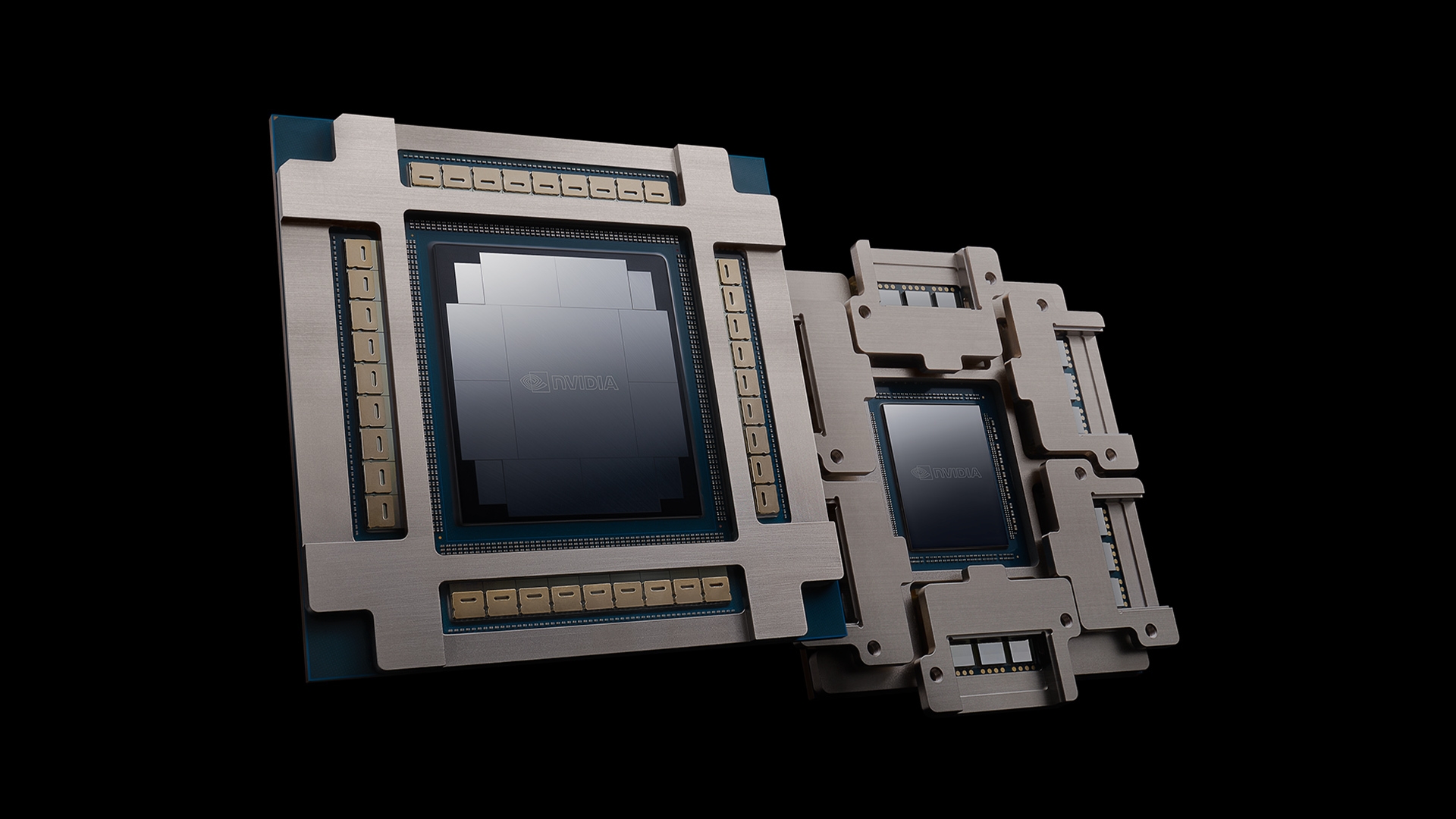
NVIDIA’s Jetson product lifecycle page extends production-module availability years beyond the moment when a developer first selects the hardware. It also warns that hardware changes can require corresponding software changes and that developer kits do not receive the same lifecycle designation. The published policy exposes an often overlooked part of autonomy: the machine must remain supportable long after its initial demonstration.
An autonomous robot is not one frozen software image. It is a combination of firmware, drivers, operating software, models and application rules, running on a particular hardware configuration. Updating any part can change how the combination behaves. A customer buying a fleet therefore needs to know who maintains that combination and who verifies it after a change.
Availability does not mean an unchanged component
A long availability period is useful because it supports planning for manufacturing and replacement. It does not mean every unit produced during that period is identical in every respect. Component revisions can be necessary, and the operator needs a way to identify them without dismantling each machine or relying on institutional memory.
This is where configuration records become operational infrastructure. A service team should be able to associate a robot’s hardware revision with its software and model versions. If a problem appears in one configuration, the team can then determine which other units may share it. Without that record, a localized issue can become a slow investigation across the entire fleet.
An update mechanism is not an update policy
NVIDIA’s versioned Jetson Linux documentation describes package-based and image-based update mechanisms. Those tools provide ways to deliver software. They do not decide when a customer should accept a change, which machines should receive it first or what evidence is sufficient to expand a rollout. Those decisions remain part of the fleet operator’s responsibility.
The distinction is familiar in enterprise software but more consequential when software controls movement. An update may install successfully while changing timing, sensor behavior or resource use. Installation success and operational acceptance are different tests. A fleet manager needs both, with a process for stopping distribution when the first deployed units reveal an unexpected effect.
Model changes can alter the operating contract
A perception model may recognize more object types after an update, or an agent may become more willing to take a certain action. Those changes can be improvements, but they still need to remain within the task and authority agreed with the customer. The fact that a model is newer does not establish that its behavior is suitable for every existing deployment.
The operator should retain representative evaluation cases from the actual environment and add cases when new failures are found. This creates a growing record of what the system is expected to handle. It also makes the decision to upgrade reviewable: the change can be compared against relevant evidence instead of relying entirely on the supplier’s general benchmark results.
The kit-to-production boundary matters again
NVIDIA’s FAQ separates development products from modules intended for production. That separation should be reflected in the software process too. A development team can tolerate frequent manual changes and experimental configurations. A customer fleet needs controlled releases, reproducible installation and a recovery path that does not depend on the original developer being available.
Recovery deserves specific attention. A machine may lose connectivity during an update, run out of storage or fail to restart correctly. The design should explain whether it can return to a known configuration and what a local operator must do if it cannot. The answer affects the practical cost of maintaining autonomy at many distributed sites.
Documentation is part of the service
Jetson’s technical download center includes hardware documentation and notices alongside software resources. For a fleet integrator, those materials need to feed into a maintained support record. It is not enough to know that a notice exists; the responsible team must determine whether it applies to its hardware, software and customer use.
That work can be made more efficient by clear ownership. The component supplier owns certain platform issues, the robot manufacturer owns the integrated design, and the customer controls the operating environment. A support arrangement should define how evidence crosses those boundaries. Otherwise each party may see a different fragment of a failure while no one is responsible for restoring the complete service.
The update documentation also separates changing software packages from replacing an image. That distinction has practical consequences for validation: the scope of a change determines which previous assumptions remain valid. A narrow application update and a change to the underlying platform should not automatically follow an identical test plan. The release record should identify the affected components and the evidence used to approve them. This gives a customer a way to understand why an update is necessary and what operational effect to expect, without requiring the customer to reconstruct the supplier’s engineering process from individual files.
The maintenance burden is one reason autonomy should be evaluated over time rather than at delivery. A capable robot that becomes difficult to patch, diagnose or repair can impose increasing work on its customer. A well-maintained fleet makes the opposite bargain: it keeps the configuration understandable and improvements controlled. The enduring product is not the launch-day demonstration. It is a machine whose behavior remains accountable as the hardware and software around it evolve.
Sources & evidence
This archive preserves its original editorial date. Sources describe the events and announcements discussed; they do not establish today’s status.